India’s export landscape has undergone a revolutionary transformation over the past three decades, evolving from a inward-looking economy to becoming one of the world’s largest exporters with merchandise and services exports exceeding $770 billion annually. This remarkable journey represents a fundamental shift in India’s economic strategy, driven by progressive policy reforms, technological innovation, and an unwavering commitment to global market integration.
Before the economic liberalization of 1991, India’s export sector operated under a complex web of regulations, licensing requirements, and bureaucratic hurdles that severely limited its global competitiveness. The License Raj system, while designed to protect domestic industries, created significant barriers for exporters seeking to access international markets. Export procedures were cumbersome, taking months to complete, and the focus remained primarily on traditional commodities rather than value-added products.
The export basket was dominated by traditional items such as tea, jute, cotton textiles, and leather products, with limited diversification into high-value manufactured goods or services. The lack of modern technology, limited access to international quality standards, and inadequate infrastructure further constrained India’s export potential during this period.
The economic reforms initiated in 1991 under the leadership of Dr. Manmohan Singh marked the beginning of India’s export revolution. The dismantling of the License Raj, reduction in import tariffs, and elimination of quantitative restrictions on imports created a more competitive environment that forced Indian companies to improve their efficiency and quality standards to survive.
The devaluation of the Indian rupee made Indian exports more competitive in international markets, while the removal of export licensing requirements simplified procedures and reduced compliance costs. The introduction of the Duty Exemption and Remission Schemes allowed exporters to access raw materials and components at international prices, significantly improving their cost competitiveness.
The introduction of comprehensive export promotion schemes created a systematic framework for supporting Indian exporters. The Export Promotion Capital Goods (EPCG) scheme enabled exporters to import capital goods at concessional duty rates, facilitating technology upgradation and capacity expansion. This scheme alone contributed to billions of dollars in additional exports by enabling Indian manufacturers to adopt world-class production technologies.
The Duty Drawback scheme, which provided for the refund of customs and excise duties on inputs used in export production, improved the competitiveness of Indian exports by ensuring that they were not burdened with domestic taxes. The scheme’s transparent and predictable nature encouraged more companies to enter the export market.
The establishment of Export Promotion Councils (EPCs) for different sectors provided focused support for exporters, including market development, trade promotion, and policy advocacy. These sector-specific organizations played a crucial role in understanding global market requirements and helping Indian exporters adapt their products and processes accordingly.
The introduction of Special Economic Zones (SEZs) represented a paradigm shift in India’s approach to export promotion. These zones provided world-class infrastructure, simplified regulatory procedures, and fiscal incentives specifically designed to boost exports. The SEZ model created integrated ecosystems where exporters could access all required services within a single location, significantly reducing transaction costs and time-to-market.
The success of SEZs is evident from their contribution to India’s exports, with SEZ units accounting for a significant portion of the country’s merchandise exports. The zones have attracted both domestic and foreign investors, leading to technology transfer, skill development, and the creation of global supply chain networks centered in India.
The digital transformation of India’s export procedures represents one of the most significant reforms in the sector. The introduction of online platforms for export-import documentation, electronic filing of shipping bills, and digital payment systems has dramatically reduced the time and cost of export transactions.
The Indian Customs Electronic Data Interchange (EDI) system revolutionized customs procedures, enabling exporters to complete documentation online and receive faster clearances. The implementation of the Goods and Services Tax (GST) with its integrated online platform further simplified tax procedures for exporters, providing seamless input tax credits and refunds.
The development of the Export-Import Trade Data Bank and various online market intelligence platforms has provided Indian exporters with access to real-time information about global market trends, buyer preferences, and trade opportunities. This information accessibility has enabled even small and medium exporters to identify and pursue international opportunities effectively.
The liberalization of India’s financial sector played a crucial role in the export revolution by improving access to export finance and trade services. The entry of foreign banks, development of specialized export finance institutions, and introduction of innovative financial products created a competitive environment that benefited exporters.
The Export Credit Guarantee Corporation of India (ECGC) expanded its services to provide comprehensive risk coverage for exporters, enabling them to explore new markets and extend credit terms to international buyers. The development of trade finance products such as buyers’ credit, suppliers’ credit, and export factoring provided exporters with flexible financing options to support their international operations.
The introduction of rupee-denominated trade financing and the development of local currency settlement mechanisms with trading partner countries reduced foreign exchange risks and transaction costs for exporters, making Indian goods more competitive in these markets.
India’s services export revolution, particularly in Information Technology and IT-enabled Services (ITES), represents one of the most dramatic transformations in global trade patterns. The sector’s growth from virtually nothing in the 1990s to over $180 billion in annual exports demonstrates the power of policy reforms combined with India’s inherent competitive advantages.
The establishment of Software Technology Parks (STPs) provided the necessary infrastructure and regulatory framework for the IT services industry to flourish. The single-window clearance system, duty-free import of hardware and software, and simplified foreign exchange procedures created an enabling environment for rapid growth.
The sector’s success was built on India’s English-speaking workforce, cost advantages, and the time zone differential that enabled 24/7 service delivery to Western markets. Government initiatives such as the establishment of the National Association of Software and Services Companies (NASSCOM) provided industry advocacy and promoted India as a reliable destination for IT services globally.
India’s manufacturing export sector experienced significant diversification and growth following the policy reforms. The textile and apparel sector, building on India’s traditional strengths, modernized its operations and captured significant market share in global fashion and home textile markets.
The automotive sector’s transformation from import substitution to export orientation represents a remarkable success story. Government policies that encouraged foreign direct investment, technology partnerships, and the development of automotive clusters created an ecosystem that attracted global automotive manufacturers to establish production bases in India.
The pharmaceutical sector’s evolution from a domestically focused industry to a global generic medicine supplier demonstrates how policy reforms can create entirely new export opportunities. The sector’s focus on research and development, quality manufacturing, and regulatory compliance enabled Indian companies to access the most regulated markets worldwide.
The agricultural export sector underwent significant transformation through the introduction of quality standards, value addition initiatives, and market development programs. The establishment of Agricultural Export Zones (AEZs) focused on developing export-oriented agricultural production with emphasis on quality, consistency, and traceability.
The Marine Products Export Development Authority (MPEDA) and similar organizations for other agricultural commodities played crucial roles in upgrading quality standards, facilitating technology adoption, and promoting Indian products in international markets. The sector’s focus on organic certification, fair trade practices, and sustainable production methods opened new market opportunities in premium segments.
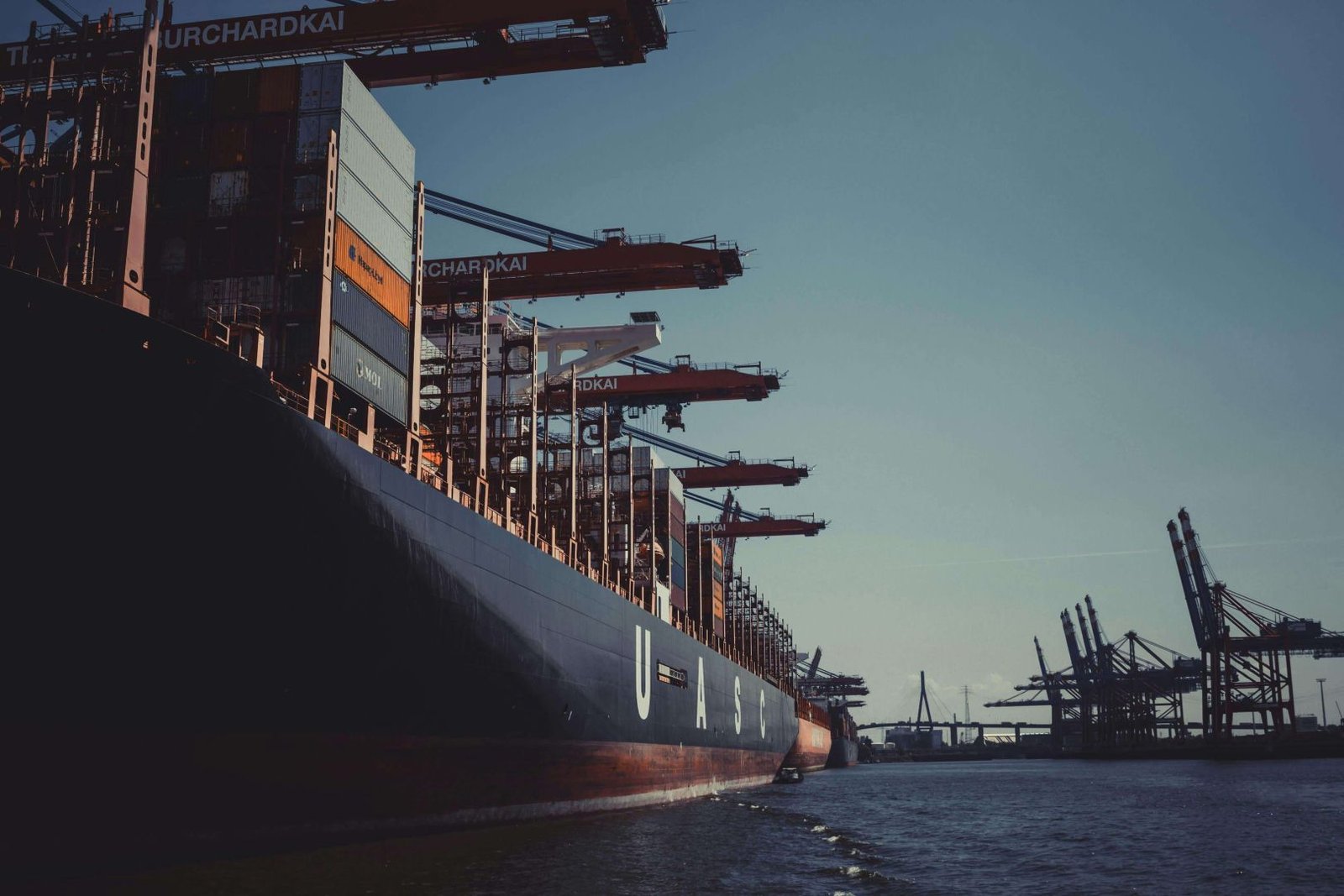
The development of world-class export infrastructure played a crucial role in India’s export revolution. The modernization of ports, development of dedicated freight corridors, and improvement of connectivity between production centers and export points significantly reduced logistics costs and improved delivery reliability.
The Jawaharlal Nehru Port Trust (JNPT) and other major ports invested heavily in modern cargo handling equipment, container terminals, and information systems that enabled efficient processing of export cargo. The development of inland container depots (ICDs) and container freight stations (CFSs) brought port services closer to production centers, reducing transportation costs and time.
Recent initiatives focused on trade facilitation and improving the ease of doing business have further accelerated India’s export growth. The introduction of the single window clearance system for exports, risk-based customs clearances, and authorized economic operator programs have significantly reduced the time and cost of export transactions.
The implementation of international best practices in trade facilitation, such as advance rulings, post-clearance audits, and trusted trader programs, has improved the predictability and transparency of export procedures. These reforms have been particularly beneficial for small and medium enterprises seeking to enter the export market.
The digital revolution has created new opportunities for Indian exporters in areas such as digital services, e-commerce, and knowledge-based products. The government’s focus on digital infrastructure development, skill enhancement, and regulatory frameworks for digital trade positions India to capitalize on these emerging opportunities.
The growing emphasis on sustainable and environmentally friendly products has created new export opportunities for Indian manufacturers who have invested in clean technologies and sustainable production processes. India’s traditional knowledge in areas such as ayurveda, yoga, and organic products is finding new global markets through modern marketing and quality assurance practices.
India’s export revolution continues to evolve with new initiatives such as the Production Linked Incentive (PLI) schemes, focus on high-value manufacturing, and emphasis on research and development. The country’s commitment to becoming a $5 trillion economy by 2027 places exports at the center of its growth strategy.
The integration of artificial intelligence, blockchain technology, and IoT in export processes promises to further enhance efficiency and transparency in international trade. India’s growing participation in global value chains and its focus on innovation-led exports position the country to maintain its export momentum in the coming decades.
India’s export revolution demonstrates how systematic policy reforms, combined with entrepreneurial spirit and technological innovation, can transform a country’s position in global trade. As India continues to evolve its export strategy and adapt to changing global market dynamics, the foundation laid by three decades of progressive reforms provides a solid platform for sustained growth and global competitiveness.